WATCH THE FULL VIDEO
Video is ready to play. If one link doesn’t work, try another available link below 👇
Lying in bed in a dead-quiet room only to be tormented by a sharp, piercing ringing in your ears, hearing a persistent hissing or buzzing noise that makes reading impossible, or asking people to constantly repeat themselves in crowded rooms are debilitating indicators of auditory system breakdown. For active adults between ages 35 and 65, chronic subjective tinnitus is rarely just “earwax buildup”—it is overwhelmingly driven by Cochlear Micro-Ischemia, Sensory Hair Cell Synaptopathy, and Auditory Cortex Central Hyperactivity.
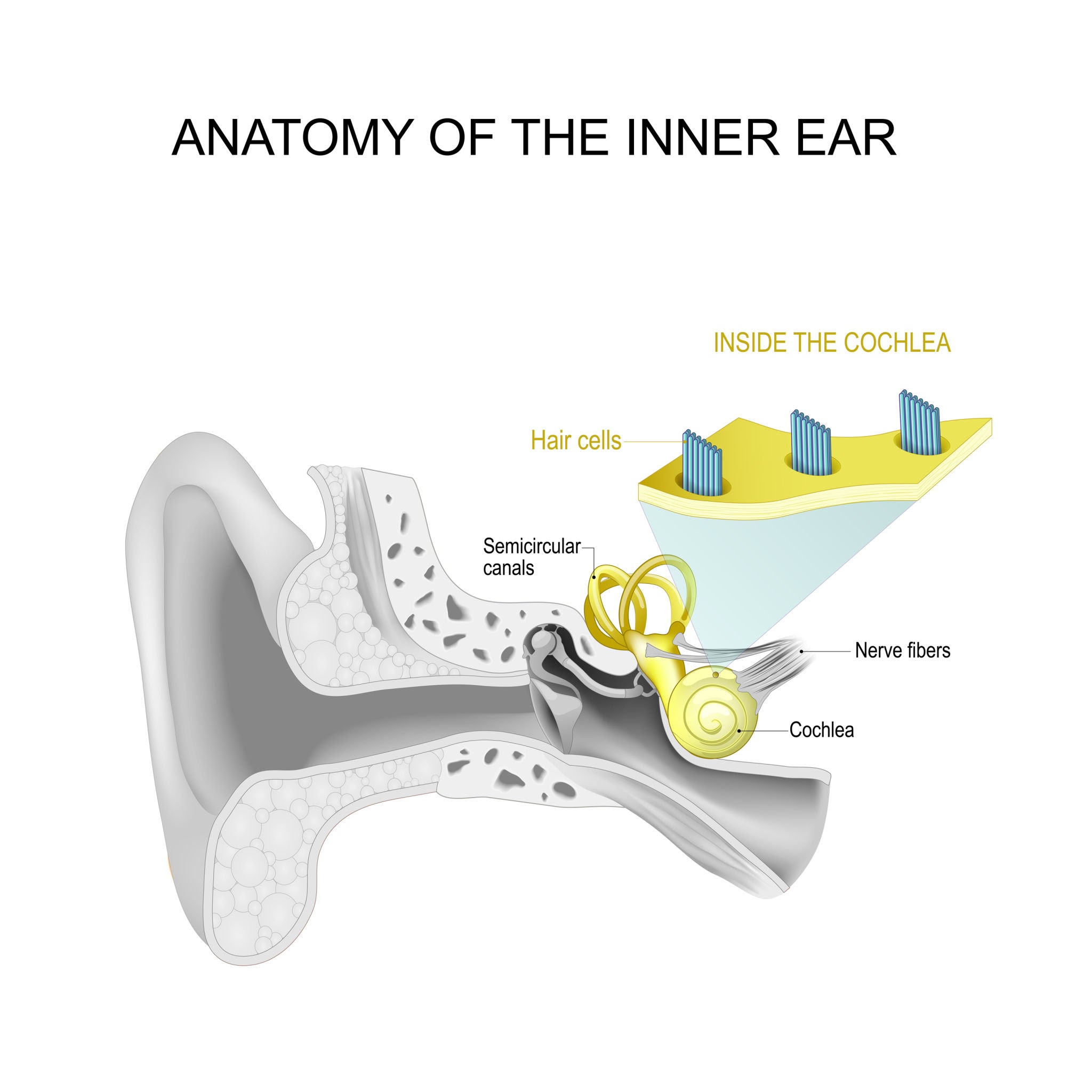
Your inner ear contains the cochlea, a snail-shaped organ housing thousands of microscopic stereocilia (sensory hair cells) bathed in fluid. These fragile hair cells rely exclusively on a single, hair-thin terminal vessel called the labyrinthine artery for oxygen and glucose. Because this artery has zero collateral branches, systemic hypertension, high oxidative stress, and noise trauma quickly constrict micro-vascular blood flow. Starved of oxygen, delicate hair cell synapses degrade and send chaotic, erratic electrical impulses to the brain. In response, the auditory cortex in the brain turns up its internal “volume dial” to compensate for lost sensory input, creating the permanent phantom squeal known as tinnitus.
While many try to mask ringing using white noise machines, ear drops, or sedatives, these surface tactics do not restore capillary micro-flow to the cochlea or stabilize over-excited auditory neurons. To increase micro-vascular perfusion in the inner ear, shield stereocilia from glutamate toxicity, and quiet hyperexcitable auditory pathways, modern neuro-otology relies on standardized pharmaceutical-grade bioflavonoids and neuro-protective vasodilators. Here is how active adults are quieting ear noise in 2026.
Comparing Auditory Support & Tinnitus Relief Interventions
| Compound / Intervention | Primary Biological Mechanism | Cochlear Micro-Perfusion Power | Target Health Benefit |
| Standardized Ginkgo (EGb 761®) | Antagonizes Platelet-Activating Factor (PAF) to Restore Capillary Flow | Extremely High (Clinical Otology Grade) | High-Pitched Ringing, Cochlear Ischemia & Ear Pressure |
| Vinpocetine (Periwinkle Extract) | Selectively Dilates Cerebral & Auditory Micro-Vessels | Fast-Acting Oxygen Enhancer | Sudden Whistling, Muffled Hearing & Mental Clarity |
| Chelated Zinc Picolinate + Magnesium | Modulates Synaptic Glutamate Excitotoxicity in Auditory Core | High Neurological Bioavailability | Noise-Induced Sensitivity, Ear Buzzing & Sleep Disruption |
| Commercial White Noise Generators | Physically Overpowers Phantom Sound with Background Static | Zero (Does Not Heal Hair Cells) | Temporary Sound Masking Only (No Biological Repair) |
Key Science-Backed Compounds for Auditory Nerve & Cochlear Health
1. Standardized Ginkgo Biloba (EGb 761®) – The Cochlear Blood Flow Restorer
Standard unstandardized ginkgo powders lack sufficient active molecules. Clinical-grade EGb 761® is standardized to 24% flavone glycosides and 6% terpene lactones (ginkgolides and bilobalide). It acts directly on erythrocyte flexibility and antagonizes platelet-activating factor (PAF), thinning micro-vascular sludge and forcing oxygenated blood deep into the labyrinthine artery to nourish suffocating stereocilia.
-
Best For: Individuals with constant high-pitched ringing, pulsing vascular whooshing, and age-related hearing decline.
2. Vinpocetine – Cerebral & Inner-Ear Oxygen Delivery
Derived from the periwinkle plant (Vinca minor), Vinpocetine is a targeted phosphodiesterase (PDE-1) inhibitor. It enhances red blood cell deformability and selectively enhances ATP utilization in acoustic pathways. Human clinical trials demonstrate that Vinpocetine significantly improves micro-circulation in the inner ear, reducing auditory nerve hyperexcitability and quieting phantom buzzing.
-
Best For: People dealing with sudden onset buzzing, muffled sound perception after loud concerts, and brain fog.
3. Zinc Picolinate & Magnesium Malate – Glutamate Synaptic Shields
The inner ear contains the highest concentration of zinc in the body, where it acts as a critical neuro-chemical stabilizer. Zinc deficiency allows excessive extracellular glutamate to overstimulate and burn out acoustic synapses. Pairing highly absorbable Zinc Picolinate with Magnesium Malate relaxes micro-arteries and shields cochlear hair cells against acoustic trauma.
Summary: Reclaiming Peaceful Silence and Sharp Hearing
Quieting relentless ringing in your ears and protecting your hearing from progressive degradation does not require living on sedating medications or accepting permanent noise as your new normal. By providing your auditory system with clinically validated otological nutrients like Standardized Ginkgo EGb 761®, Vinpocetine, and Zinc Picolinate, you can restore micro-vascular blood supply, protect delicate hair cell synapses, and enjoy the soothing peace of true silence. Always consult a board-certified otolaryngologist (ENT specialist) or audiologist for sudden unilateral hearing loss, severe vertigo (dizziness), or pulsatile tinnitus synchronized with your heartbeat.
Medical Disclaimer
The information provided in this article is strictly for educational and informational purposes and does not constitute medical advice, diagnosis, or treatment. Statements regarding dietary supplements or auditory care protocols have not been evaluated by the Food and Drug Administration (FDA) and are not intended to diagnose, treat, cure, or prevent any disease. Always seek the advice of a qualified physician or healthcare provider regarding any medical condition.
